
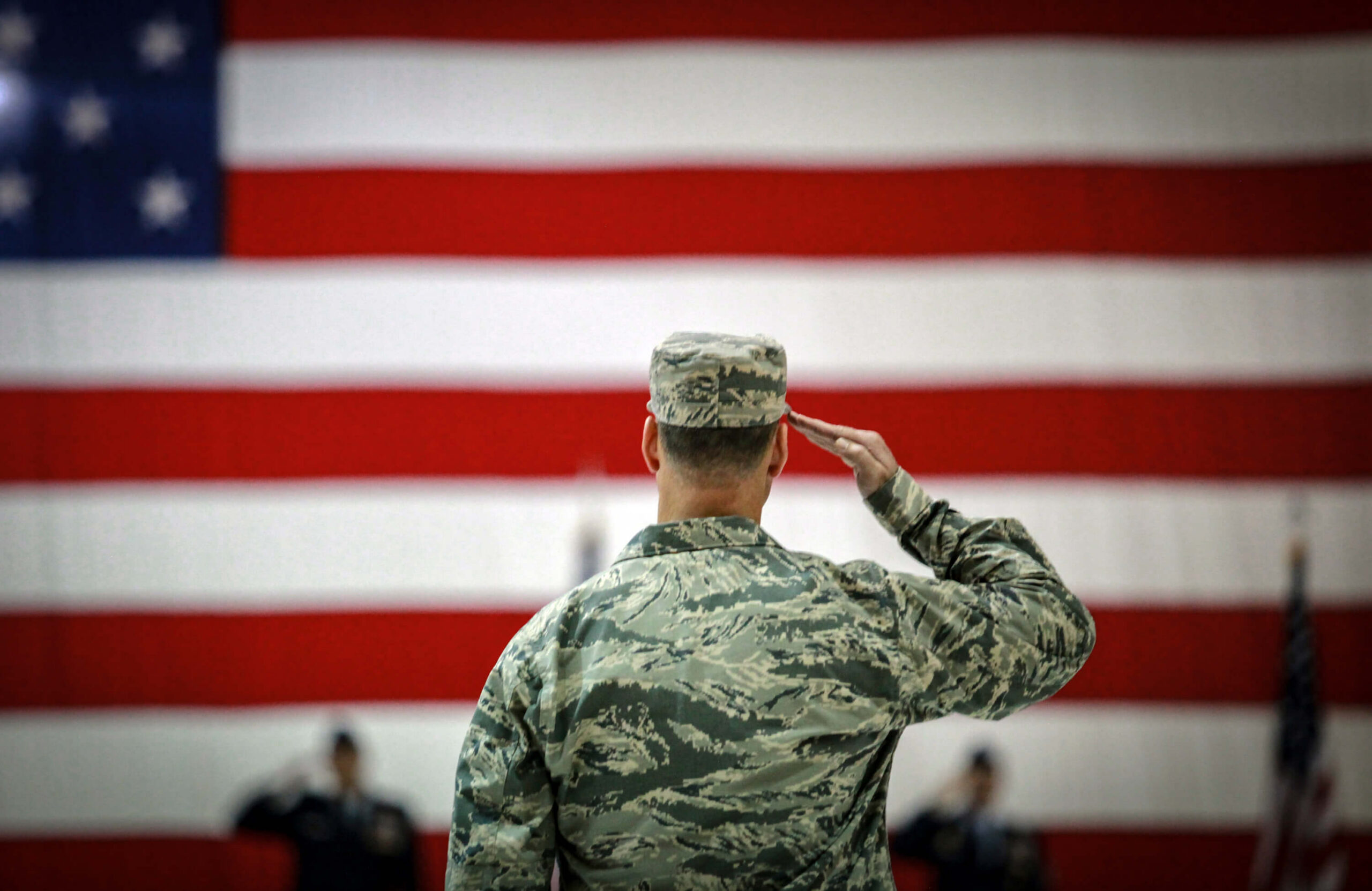

We call it the Final Salute.
When one of our veteran residents passes, that hero is escorted through the front doors of our community with an American flag draped over them and the sound of “Taps” echoing through the halls. Executives, caregivers and residents line the corridor, standing at attention. Fellow veterans, even those with mobility challenges, rise from their wheelchairs or lean on walkers to give one last salute. It is haunting, humbling, and a beautiful display of unity in honoring veterans and their families with the dignity they deserve.
This moment of reverence is not merely protocol: It is principle, purpose—and love.
We believe that our responsibility to veterans includes holding space to honor their lives, affirming their sacrifices did not fade with age or time, and recognizing that their service did not end at the point of discharge.
This May, as Memorial Day invites the nation to remember veterans who gave their lives in combat, we also pause to honor those who returned home and quietly carried the weight of their service. Many spent their final days in our care. With each veteran’s passing, we lose another piece of living history, a comrade, a guardian of freedom. But their stories of heroism, hardship, and humility continue to walk our halls.
Too often in long-term care the emphasis is on regulation, compliance, and the constant churn of staffing and census. In many nursing homes, resident deaths are managed quietly, behind closed doors. A silent removal through the back exit, away from the view of fellow residents. It’s a sterile procedure that is efficient, unceremonious, and designed to avoid discomfort.
Not so at the State Veterans Homes we operate. We’re not alone in this effort, but we are among the few. Because culture is built in moments. And this moment—our Final Salute—is a reflection of the culture we choose to create.
As we consider what the Final Salute means for this holiday honoring veterans, and every day throughout the year, I believe we must ask ourselves a hard question: What does dignity look like when no one is watching?
At our homes, dignity looks like a flag. It sounds like “Taps.” It moves slowly down a hallway lined with those who care. A final chapter in a life of service. And it is our honor to bear witness—publicly, proudly, and with profound respect.
Dignity does not leave through the back door.